Hospitality Without the Old Boundaries
The guests who prized hospitality's old templates are aging out, and the ones replacing them want something looser. That shift is quietly rewriting what a restaurant and a hotel are for.
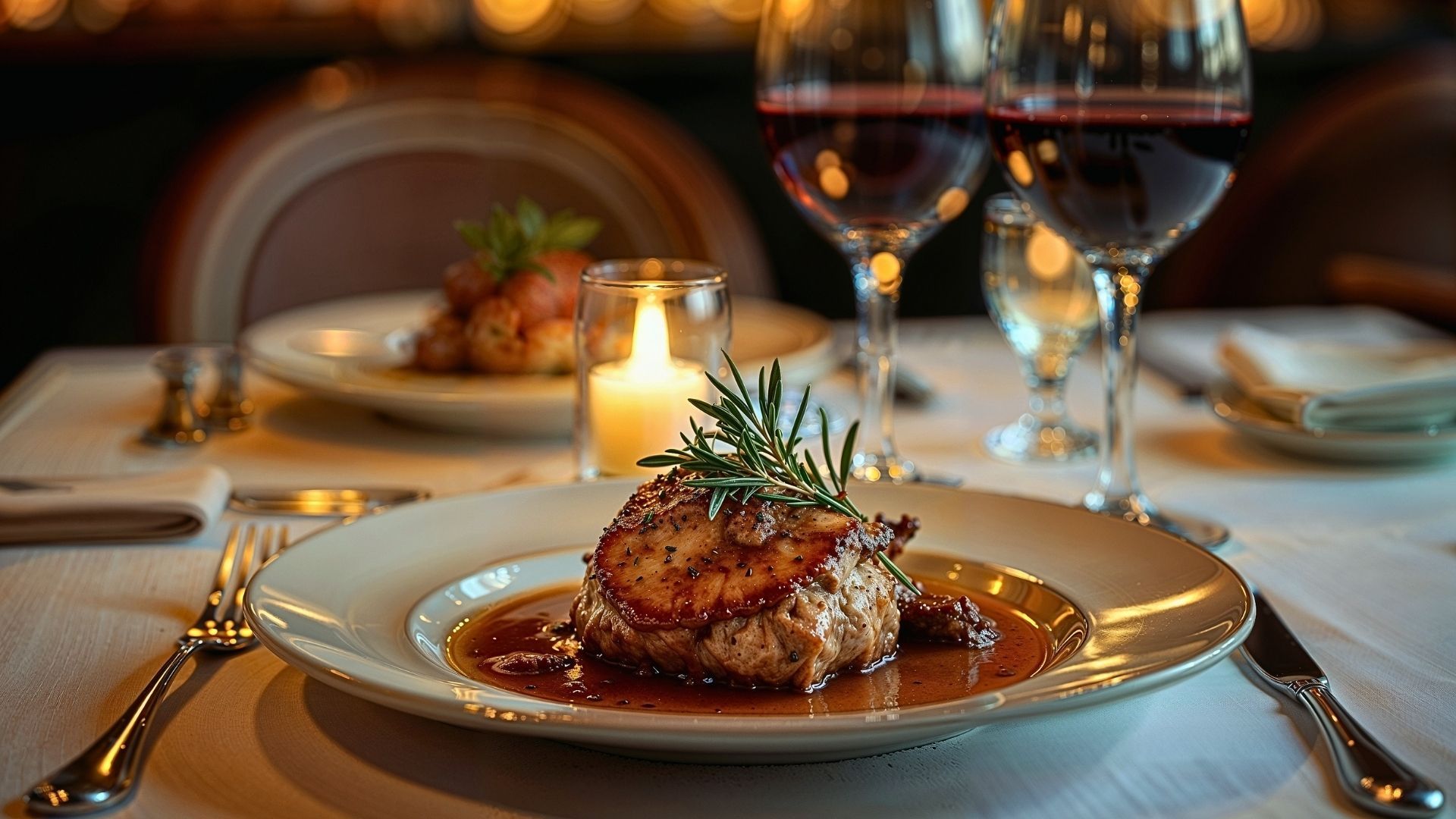
There has been a traditional template that organized hospitality for two generations. A restaurant was a steakhouse, a white-tablecloth tasting room, or the neighborhood Italian place, and you knew the script before the host pulled out your chair. A hotel was a lobby, two restaurants, and a bar, laid out the same way in Denver or Dubai. These formats endured because they fit the guest who kept the lights on, someone who valued the familiar and trusted a known quantity.
That guest is getting older, and the people arriving behind them read the room differently. They treat a night out as an occasion worth planning, they chase the unfamiliar, and they lose patience quickly with anything that feels rote. Their spending and their attention are already reshaping menus, floor plans, and opening hours. The harder question sitting underneath all of it is how much of the old playbook still earns its place.
Is the Same Room Still Enough?
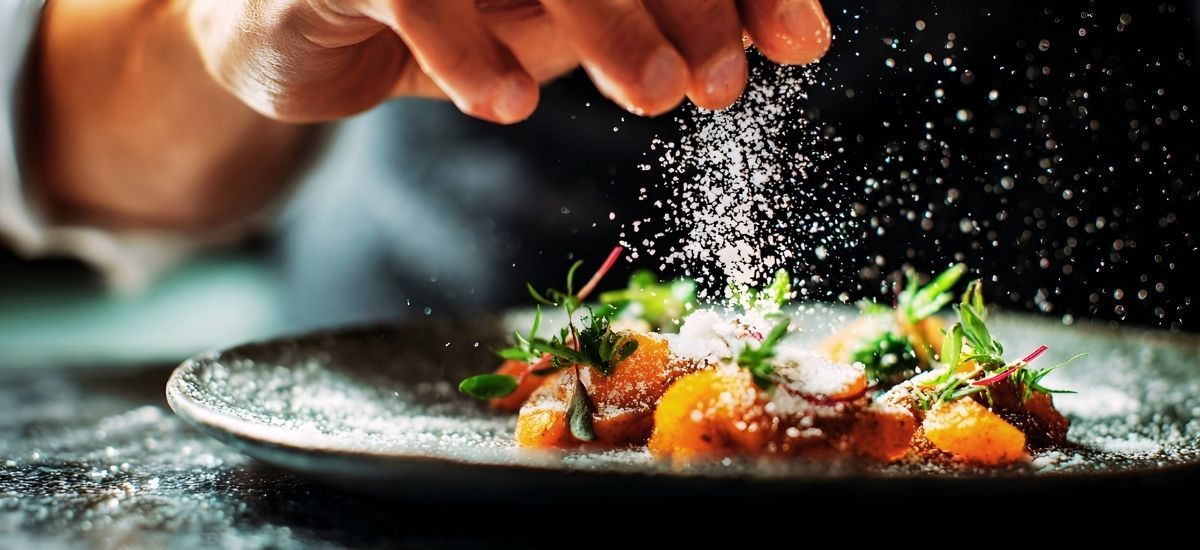
The categories that used to sort restaurants are blurring. A chef with a Michelin pedigree opens a taco window, a corner bistro runs a twelve-course tasting on Thursdays, a fast-casual counter starts pouring wine and finishing plates tableside. Diners have grown more curious about what they eat, filling rooms built around Oaxacan moles, Filipino kamayan spreads, West African stews, and Georgian dumplings in cities that would have judged those bets reckless a decade ago. Portion sizes have loosened in step, sliding between shareable platters for a full table and small, deliberate plates meant for grazing across a long evening.
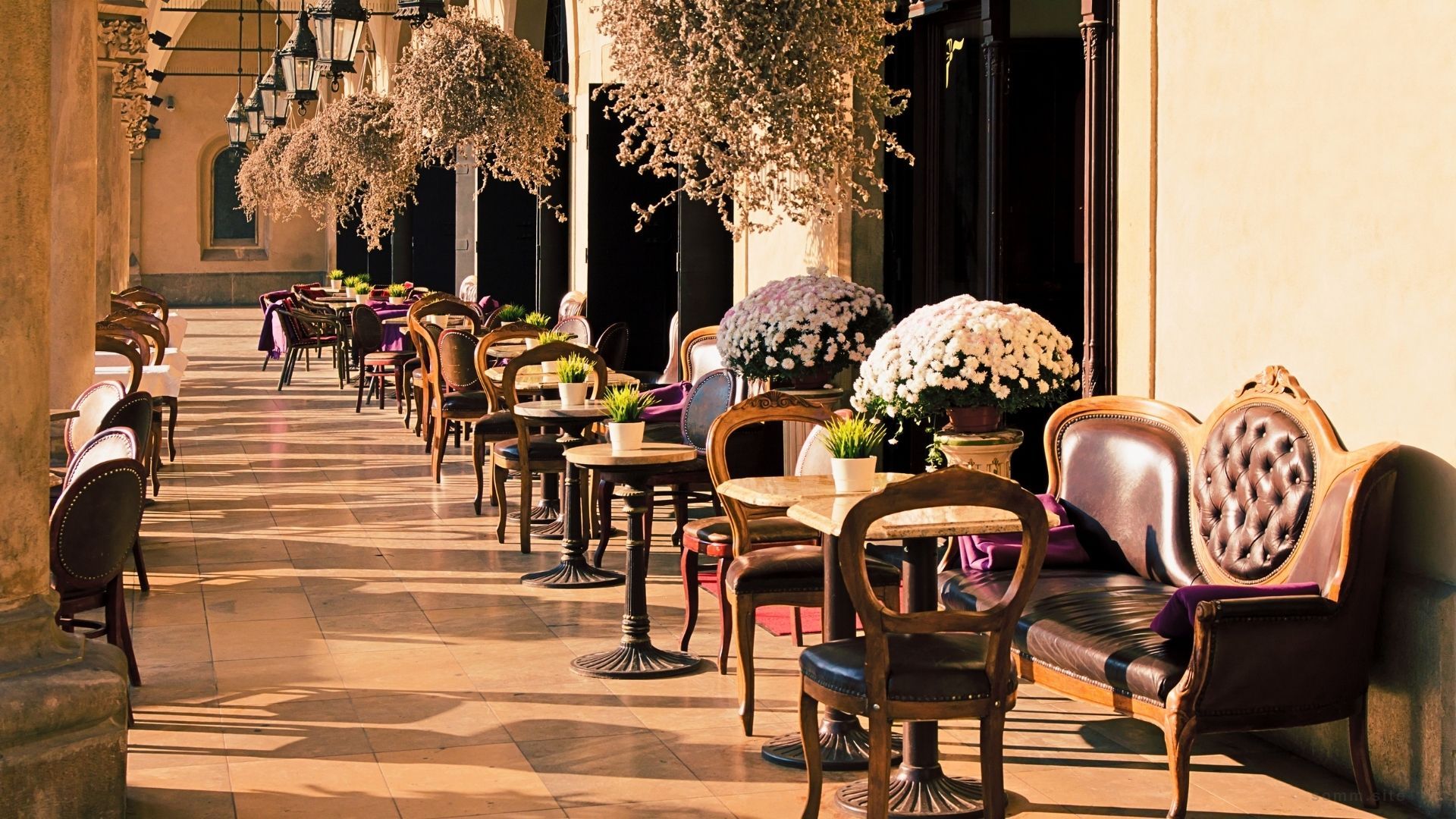
The bigger structural change is temporal. A single concept, open the same hours doing the same thing, leaves a dining room dark for large stretches of the day, and operators have started programming that dead time. The coffee bar at nine becomes a natural-wine spot by five. The lunch counter folds up and reopens at seven as a proper dining room. Roughly one in five restaurateurs now says they are planning some version of this, which is less a trend than a response to arithmetic, since the rent is owed whether the seats turn once a day or three times. The catch is that hybrids are hard to run well, and a space trying to be four things can end up with no clear identity at all.
The Ground Floor Goes to Work
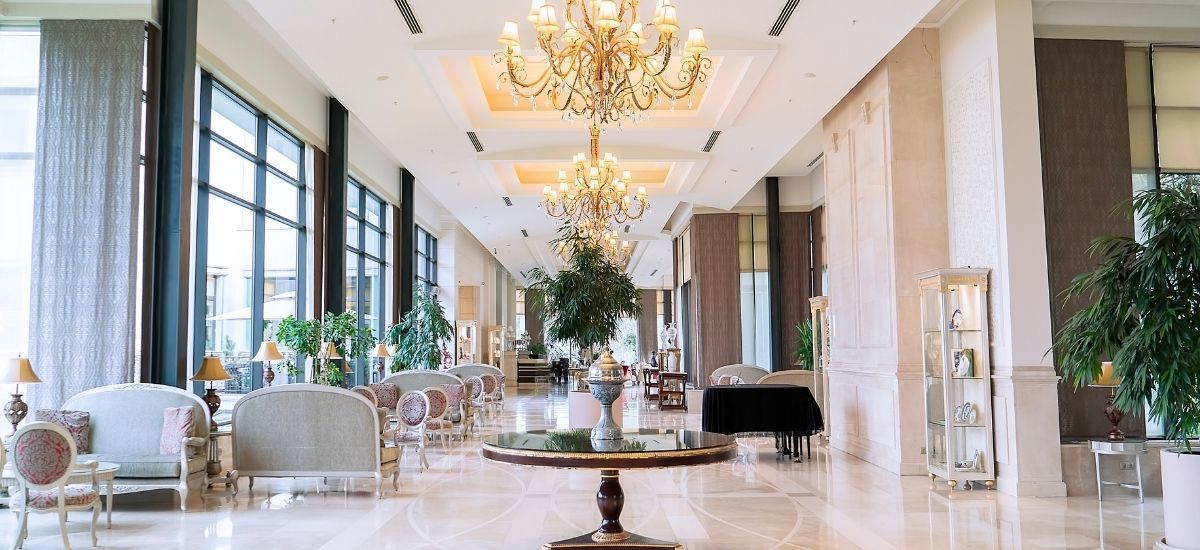
Hotels are rethinking their lower floors with even more urgency. For years food and beverage was a cost of doing business, a room service line and a couple of outlets that existed because guests had to eat somewhere. That calculus has flipped. A hotel that pulls locals into its bar and its programming on a slow Tuesday earns money that has nothing to do with how many rooms are occupied, and the lobby people once walked through on the way to the elevator is being rebuilt as a place to sit, work, drink, and linger.
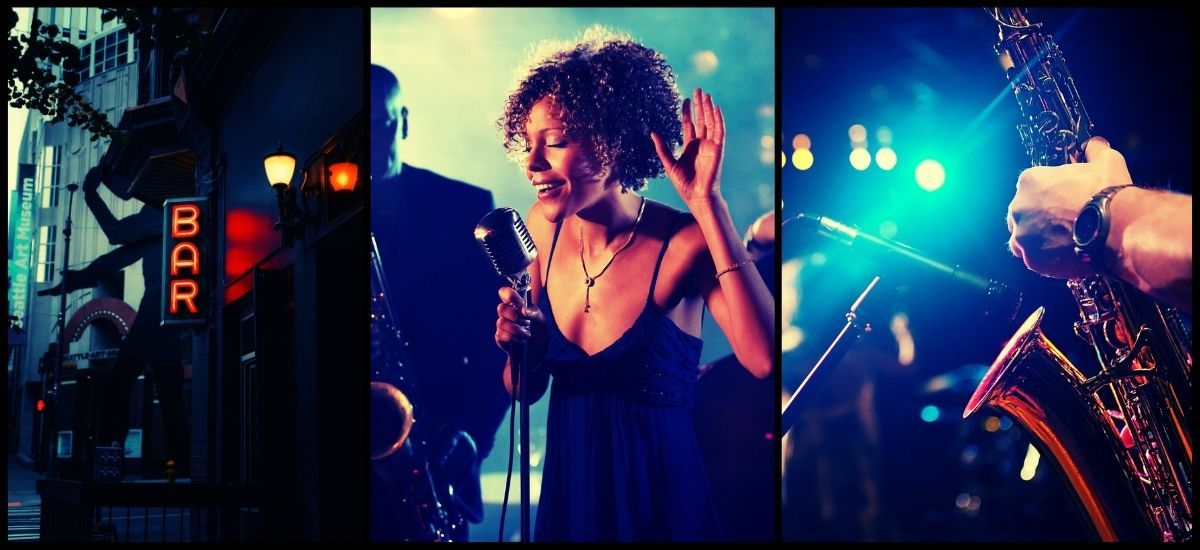
The programming can get inventive. A coffee counter turns into a low-lit wine bar with live jazz after dark. A morning mobility class ends with a flight of zero-proof botanical drinks poured for the people who took it. Cooking stations run by an actual cook, early-evening aperitivo service, wellness threaded through the day where a lone basement gym used to sit. The economic logic is plain, and some of it risks tipping into theater, the curated moment staged more for a phone camera than for the person holding it. The properties that pull it off tend to treat the spectacle as a byproduct of running a good room, not the point of it.
Something to Come Back For
Both shifts point at the same appetite. A meal or a room is the transaction, and a growing share of guests, younger ones especially, are also shopping for a reason to return and something to learn while they are there. Restaurants are leaning back into their function as a third place between home and work, which lands at a moment when survey after survey finds younger adults reporting loneliness and thin in-person social lives. For a diner who eats out a handful of times a month and treats each one as an event, the table itself is the occasion, and the room that earns that feeling gets the repeat visit.
This is where a modest investment can pay off out of proportion to its cost. Memberships, standing dinner series, and ticketed events give people something to anticipate. Cheaper still, and often stickier, are the education-forward touches: a guided flight that explains what is in the glass, a beverage club that mails a discovery every month, a short and unpretentious guide that teaches a guest to taste rather than only to order. Built on simple software, these run on almost no labor and give a one-off customer a reason to keep showing up. Not everyone wants a relationship with a restaurant, and the smartest versions of this stay optional, a door held open rather than a hand on the back.
The Takeaway
The temptation, reading all this, is to hear a verdict against tradition. That would be the wrong lesson. The steakhouse and the tasting menu are not dying, and at the moment they are held up by an older, well-off clientele that still pays gladly for the version it knows. The data even complicates the generational story, because younger diners, for all their appetite for experience, carry less wealth and cut their spending fast when money tightens. What is underway looks less like a clean handoff than a slow divergence in what different people want from the same industry.
So the skill that matters is not novelty for its own sake. It is editorial judgment, the willingness to look hard at every fixture of an operation and decide what still earns its keep, what should be retired, and what is worth adding. A hybrid daypart, a beverage club, a lobby full of strangers on a Tuesday, none of these rescues a mediocre room on its own. They are tools, and they reward the operator who knows which ones suit the place and the people it serves. The businesses that struggle over the next decade will rarely be the ones that kept a few traditions. They will be the ones that kept everything and never asked which parts were still working.
Frequently Asked Questions
Why are hotels moving away from traditional restaurant and bar formats?
Guest behavior has changed while the economics of hotel real estate have become more demanding. Flexible spaces can serve different needs throughout the day, improving both utilization and the guest experience.
Are younger travelers actually looking for different hospitality experiences?
Evidence suggests they are more open to them. Gen Z and millennials show greater willingness than older generations to use restaurant technology, attend tasting experiences and interact with restaurants through formats beyond the traditional meal.
Why are hotel restaurants becoming more important?
Strong hotel restaurants can attract local diners, create cultural relevance and become destinations independent of the hotel rooms above them. OpenTable research indicates that dining in hotels without staying overnight has become extremely common.
What is a multifunctional hospitality space?
It is a space designed to change purpose according to time and demand. A hotel lobby, for example, might serve coffee and remote workers in the morning, informal meetings during the afternoon and drinks or entertainment at night.
Does this mean formal restaurants and bars are disappearing?
No. Formal hospitality still has a market, particularly when the experience itself is distinctive. The broader change is that operators no longer assume every property needs the same collection of traditional venues.
Why does flexible space matter financially?
Hotels and restaurants carry high occupancy and development costs. Allowing one space to support multiple revenue-producing activities throughout the day can improve the productivity of expensive square footage.
What should remain constant as hospitality becomes less formal?
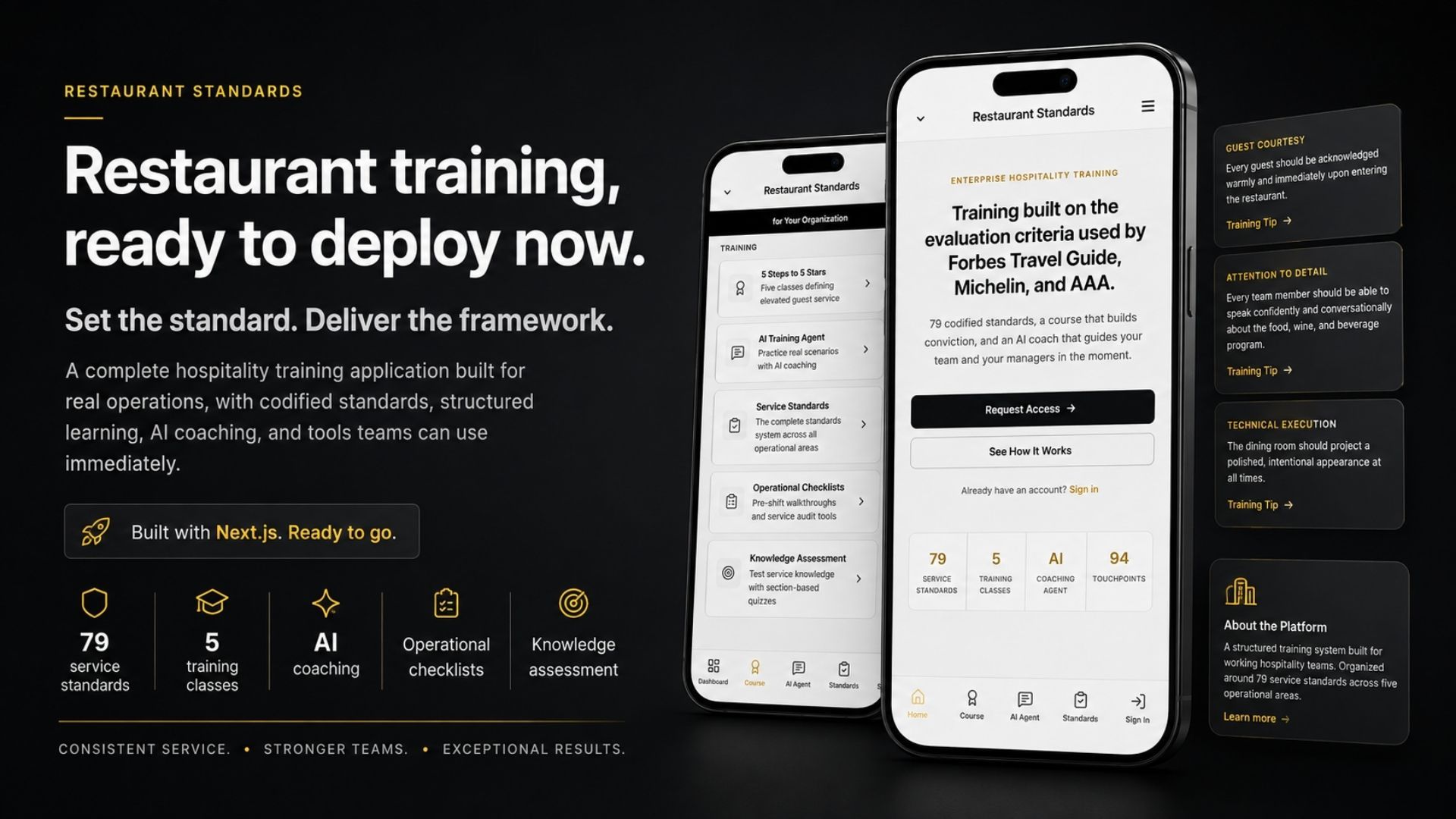
Standards. Recognition, cleanliness, product knowledge, timing, comfort and genuine care remain important regardless of whether the guest is sitting in a formal dining room, a lobby lounge or a café that turns into a wine bar after dark.