Boutique Hotels: Why Small Is the Future of High-End Travel
Exploring the economics, design philosophy, and operational strategies that make intimate properties increasingly attractive to discerning travelers.
The hospitality industry has long equated scale with success, measuring achievement through room counts, global footprints, and standardized consistency across continents. Yet a countervailing movement has steadily gained momentum, challenging fundamental assumptions about what luxury travelers actually seek. Boutique hotels, typically defined as properties with fewer than 100 rooms characterized by distinctive design and personalized service, have emerged as formidable competitors to established luxury chains. Their success reflects broader shifts in consumer preferences, where intimacy trumps grandeur and character outweighs consistency.
The economics of boutique hospitality differ substantially from large scale operations, demanding different approaches to design, staffing, marketing, and guest relationships. Understanding these distinctions illuminates why smaller properties increasingly capture market share and premium pricing in the luxury segment. For anyone interested in hospitality's future direction, the boutique model offers valuable lessons about creating meaningful experiences within manageable operational frameworks. The advantages of scale that once seemed insurmountable have proven less decisive than the advantages of personality, place, and genuine human connection.
Boutique hotels succeed by offering individualized design, curated amenities and a sense of intimacy that large properties struggle to replicate.
The Economics of Intimacy
Boutique hotels operate under economic models that would alarm traditional hoteliers accustomed to efficiency through scale. With fewer rooms generating revenue, each booking carries proportionally greater significance, creating pressure to maximize both occupancy and average daily rate. Yet this apparent vulnerability becomes strategic advantage when executed properly. Smaller properties can target niche markets with precision, developing reputations among specific traveler segments rather than competing for broad appeal. Their marketing costs per acquisition often prove lower because satisfied guests become powerful advocates, generating referrals that bypass expensive advertising channels.
The physical intimacy of boutique properties enables operational efficiencies that larger hotels cannot achieve, with staff members naturally developing familiarity with guests and their preferences across stays. Capital requirements for launching boutique properties, while substantial, remain accessible compared to major developments, enabling independent operators and small hospitality groups to enter markets dominated by chains. Revenue management becomes both more challenging and more responsive in boutique settings, with managers able to adjust strategies quickly based on intimate knowledge of booking patterns and guest behavior. The financial model rewards excellence intensely, as reputation damage from poor experiences spreads quickly through the concentrated guest communities that boutique properties cultivate. This accountability creates powerful incentives for consistent quality that larger operations struggle to maintain across their distributed workforces.

Design Philosophy: When Architecture Becomes Experience
The visual and spatial character of boutique hotels constitutes perhaps their most immediately apparent distinction from chain properties. Where standardization defines branded hospitality, ensuring guests know precisely what to expect regardless of location, boutique properties embrace uniqueness as core value proposition. Design decisions reflect specific contexts, drawing inspiration from local architecture, regional materials, cultural narratives, and the particular character of their settings. A boutique hotel in Santa Fe should feel fundamentally different from one in Charleston or Portland, with design choices rooted in place rather than corporate guidelines. This commitment to distinctiveness requires different development approaches, typically involving architects and designers empowered to create singular visions rather than adapt standardized templates.
The resulting properties function almost as curated environments, where every element from furniture selection to artwork to lighting contributes to coherent aesthetic experiences. Guests respond to this intentionality, recognizing the thoughtfulness that distinguishes designed spaces from assembled ones. The intimacy of scale enables this attention throughout properties, maintaining design coherence across relatively limited square footage rather than attempting consistency across sprawling complexes. Photography and social sharing amplify design investments, as visually distinctive spaces generate organic marketing through guest documentation. The boutique property becomes backdrop for memories, its character inseparable from the experiences it hosts.
Staffing Models That Enable Genuine Connection
The human dimension of boutique hospitality presents both challenges and opportunities distinct from larger operations. Smaller teams must demonstrate versatility, with individuals often spanning responsibilities that larger properties divide among specialized departments.
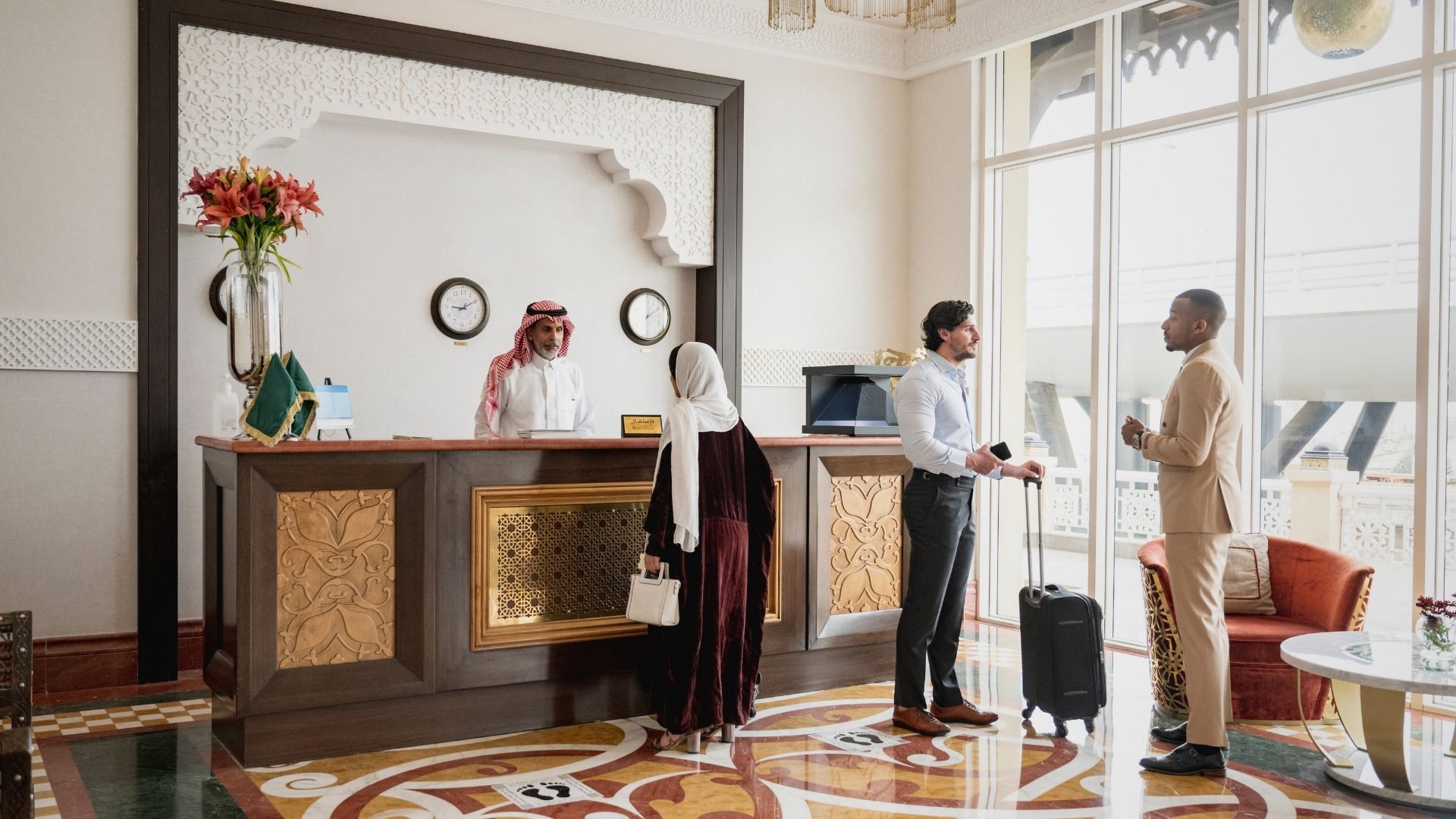
A boutique front desk agent might also serve as concierge, local expert, and informal host, requiring broader competencies than narrowly defined corporate roles. This expansion creates meaningful work that attracts hospitality professionals seeking variety and autonomy rather than procedural repetition. Recruitment for boutique properties prioritizes personality and adaptability alongside technical skills, recognizing that guests experience staff members as individuals rather than role occupants. Training emphasizes empowerment, equipping team members to make decisions that larger organizations reserve for management. The intimacy of boutique staffing structures enables relationship continuity that chains rarely achieve. Returning guests encounter familiar faces who remember their preferences, their stories, their previous experiences at the property. This recognition creates emotional bonds that drive loyalty more effectively than points programs or corporate incentives. Staff retention becomes critical in boutique settings, as turnover disrupts the relational fabric that distinguishes the guest experience.
Successful boutique operators invest heavily in team culture, compensation, and development, recognizing that their people constitute their primary competitive advantage. The resulting environments often attract hospitality professionals seeking alternatives to corporate structures, creating talent pipelines that larger organizations struggle to access.
The Takeaway
Boutique hotels succeed not despite their limitations but because of them. The constraints of scale that once appeared as disadvantages have proven to be strategic assets in a hospitality landscape increasingly defined by personalization, authenticity, and meaningful connection. Smaller footprints enable design coherence, staffing intimacy, and operational responsiveness that large properties cannot replicate regardless of investment. The economics, while demanding excellence, reward it proportionally, creating sustainable business models for operators who maintain quality and cultivate loyal guest communities. For travelers, boutique properties offer experiences rooted in specific places and shaped by individual visions, providing antidotes to the homogenization that global brands inevitably produce.
The future of luxury hospitality appears to favor this direction, with even major chains launching boutique concepts and soft brands attempting to capture the segment's appeal. Yet authentic boutique hospitality resists corporate replication, depending on the genuine distinctiveness and personal investment that independent ownership and small scale enable. For industry observers and participants alike, the boutique movement illuminates enduring truths about hospitality that the pursuit of scale temporarily obscured. Human beings seek recognition, beauty, and connection when they travel. Properties that deliver these experiences at intimate scale will continue commanding loyalty and premium positioning regardless of competitive pressure from larger operations.