The Hospitality Revolution at the Vineyard Gate
Wineries have transformed from production facilities that occasionally welcomed visitors into sophisticated hospitality operations where the guest experience drives both revenue and brand identity.
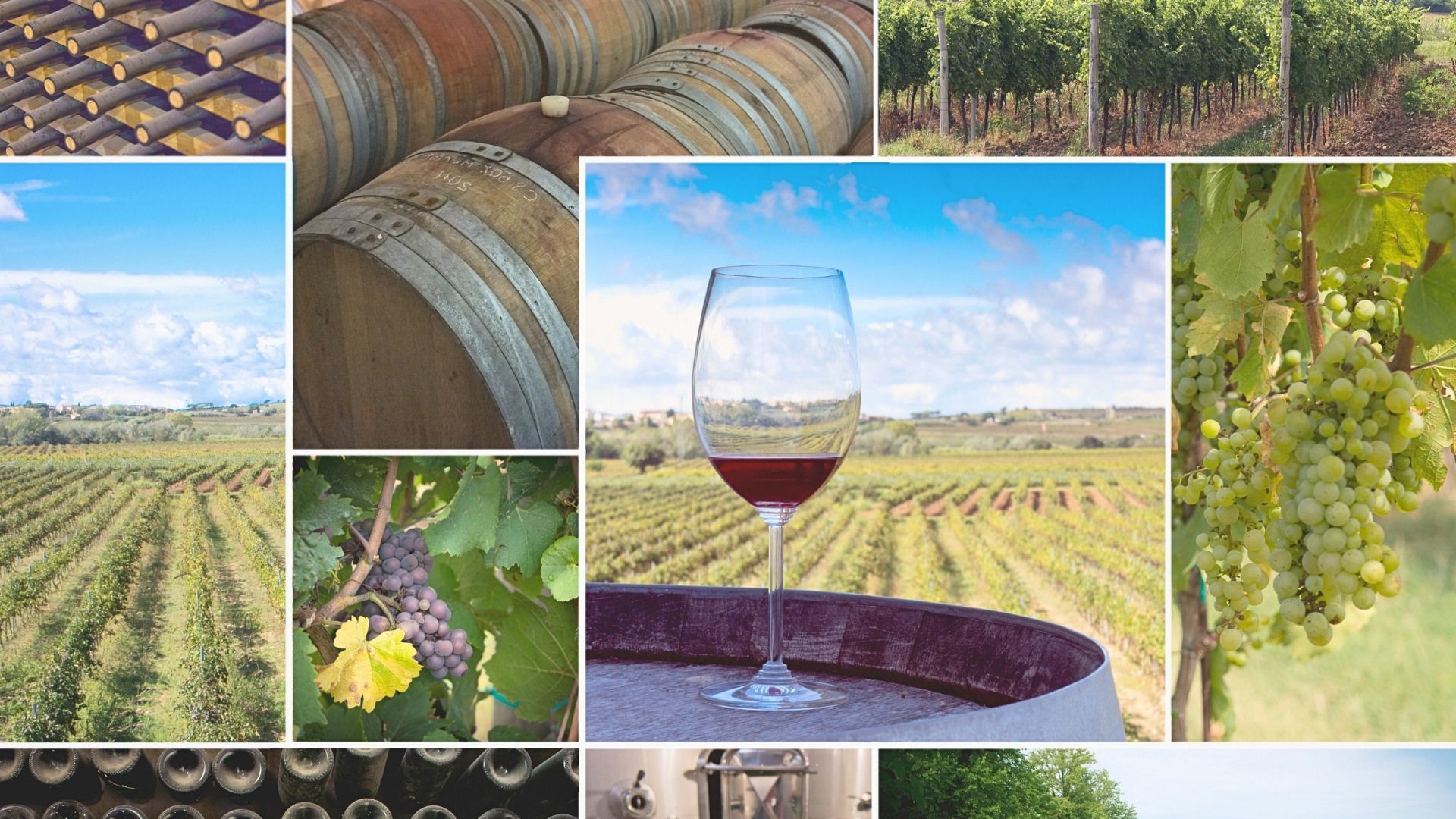
There was a time, not long ago, when visiting a winery meant knocking on a cellar door and hoping someone inside would pour a few tastes from an open bottle. The experience was informal, often incidental to the real business of growing grapes and making wine. Tasting rooms, where they existed, amounted to a plank across two barrels in a working production space. Hospitality was an afterthought, a courtesy extended to the curious rather than a strategic enterprise. That era has comprehensively ended. Wineries around the world now invest millions in guest experiences designed to educate, entertain, and ultimately convert visitors into loyal customers.
The transformation reflects both economic necessity and changing consumer expectations. As traditional distribution channels have grown more competitive and direct-to-consumer sales have become essential to profitability, the winery visit has evolved from casual encounter to carefully orchestrated experience. Understanding this evolution reveals how an entire industry has reimagined the relationship between producer and consumer in ways that continue to reshape wine culture itself.
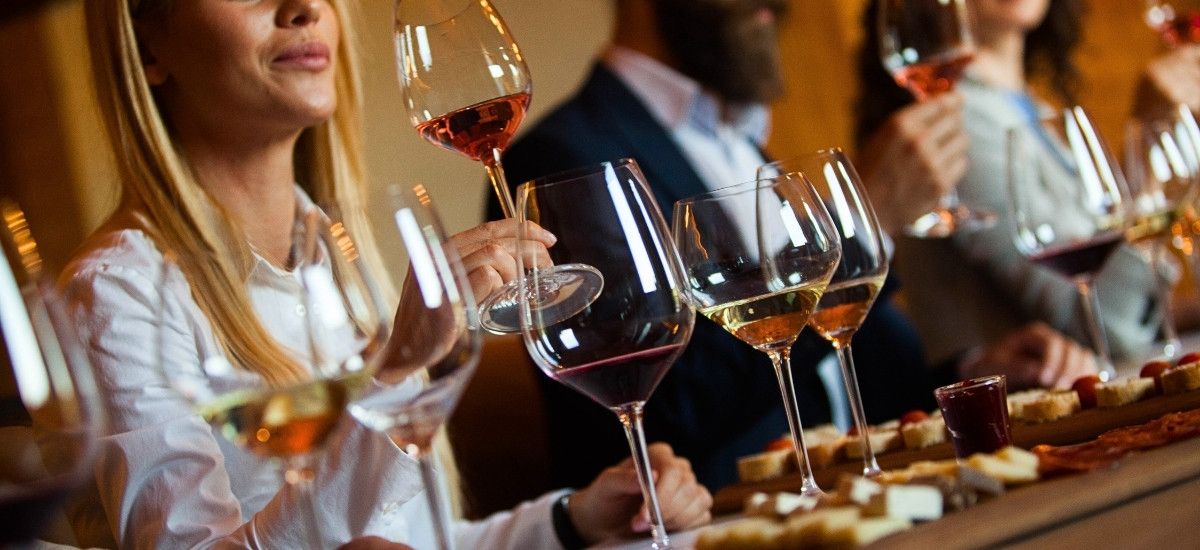
Winery hospitality has evolved from tasting counters to experience design, with many producers now offering curated flights, seated tastings, food pairings, and guided storytelling rather than transactional pours.
From Cellar Doors to Curated Experiences
The earliest winery hospitality operations functioned as simple retail outlets. Visitors arrived, tasted what was available, and perhaps purchased a few bottles at prices lower than retail. Staff consisted of production workers pulling double duty rather than trained hospitality professionals. The value proposition was straightforward: taste wine where it was made and buy it without markup. This model served adequately when wineries relied primarily on wholesale distribution and restaurant placement for revenue. The shift began gradually as producers recognized that visitors who connected emotionally with a property purchased more wine, joined allocation lists, and became ambassadors who introduced friends and family to the brand. Tasting experiences grew more structured, moving from informal pours to guided flights organized by vineyard designation, vintage, or winemaking technique.
Purpose-built tasting rooms replaced improvised spaces, incorporating design elements that communicated brand identity and created atmosphere conducive to lingering. Food pairings emerged as standard offerings, evolving from simple cheese plates to multi-course experiences prepared by dedicated culinary teams. Some properties developed full restaurant programs featuring resident chefs whose menus showcased seasonal ingredients alongside library wines unavailable through any other channel. The progression from barrel plank to destination dining represents a fundamental reconceptualization of what a winery visit means and what it can accomplish.
Why the Business Model Demanded Change
The economic imperative behind winery hospitality investment reflects structural shifts in wine distribution. As consolidation reduced the number of distributors and retailers, smaller and mid-sized producers found traditional channels increasingly difficult to access. Even those with distribution discovered that standing out among thousands of competing labels on retail shelves or restaurant lists required differentiation that price and packaging alone could not provide. Direct-to-consumer sales offered an attractive alternative, generating higher margins by eliminating distributor and retailer markups while building customer relationships that insulated against market fluctuations. The winery visit became the primary engine for these direct relationships. Converting a casual visitor into a wine club member generates recurring revenue measured in years rather than single transactions.
Industry data suggests that acquiring a wine club member through tasting room experience yields lifetime value many multiples greater than equivalent wholesale volume. This calculus justified substantial investment in hospitality infrastructure, trained staff, and experience design. Properties began hiring from restaurant and hotel backgrounds, bringing professional hospitality standards to environments that had previously operated without them. Training programs developed to ensure that every guest interaction advanced both educational and commercial objectives. The metrics shifted accordingly, with tasting rooms tracking conversion rates, average transaction values, and club acquisition costs alongside traditional production measurements.
A New Generation Changes the Conversation
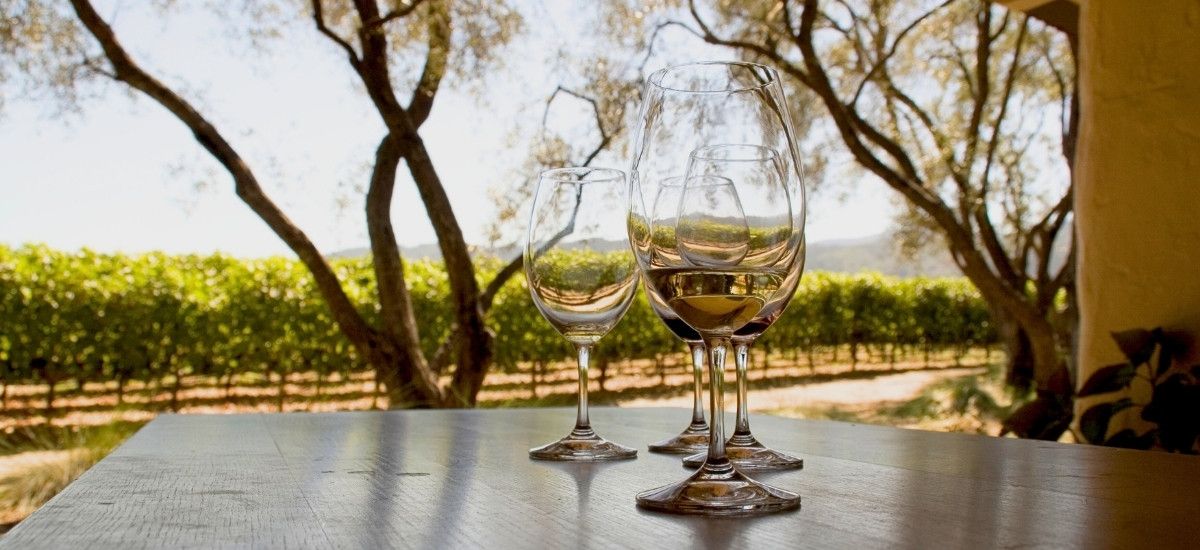
The current generation of winery visitors arrives with expectations shaped by broader hospitality and entertainment culture. Having grown up with curated experiences across every consumer category, these guests approach winery visits anticipating production values and personalization that previous generations never demanded. The standard seated tasting, while still relevant, no longer suffices as a singular offering. Successful properties now present menus of experiences spanning multiple price points and formats. Vineyard hikes pair education with physical activity. Blending sessions invite participation in the winemaking process. Harvest experiences offer seasonal immersion. Private tastings in barrel caves or library rooms provide exclusivity that commands premium pricing.
Technology has entered the conversation as well, with some properties employing apps that remember guest preferences across visits and customize recommendations accordingly. Social media considerations now influence design decisions, as photogenic spaces and presentable moments generate organic marketing through guest posts. The challenge lies in balancing authenticity with polish. Visitors seek genuine connection to place and process, not theatrical performance disconnected from actual winemaking. Properties that successfully integrate working agricultural reality with sophisticated guest management create experiences that feel both special and truthful. Those that overcorrect toward either extreme risk appearing either amateurish or artificial.
The Takeaway
The evolution of winery hospitality from incidental courtesy to strategic enterprise reflects wine's broader transformation from agricultural commodity to experiential product. What visitors encounter today at well-run properties represents genuine hospitality in the fullest sense: thoughtful attention to comfort, education delivered with warmth rather than condescension, and experiences designed to create lasting memories alongside commercial transactions. This professionalization has elevated standards across the industry while creating career pathways that attract talented individuals from diverse hospitality backgrounds.
The economic model has proven sound, with direct-to-consumer revenue providing stability that dependence on wholesale distribution cannot match. Yet the most important development may be cultural rather than financial. By inviting consumers into the places where wine is grown and made, wineries have demystified a category that once seemed intimidating and exclusive. The visitor who blends their own barrel sample or walks between the rows where grapes ripen develops understanding and appreciation that no retail shelf or restaurant list can provide. Winery hospitality at its best accomplishes what all great hospitality does: it makes people feel welcome, teaches them something meaningful, and sends them home enriched by the experience. That this also happens to be excellent business represents a fortunate alignment of purpose and commerce that benefits everyone involved.