The Essentials of Modern Hospitality: What Defines a Great Guest Experience Today
An introductory exploration of the fundamental principles that distinguish exceptional hotels and restaurants from merely adequate ones.
Hospitality, at its core, involves welcoming strangers and making them feel valued. This simple concept underpins an industry employing hundreds of millions of people worldwide, encompassing everything from roadside motels to palatial resorts, from neighborhood cafes to celebrated fine dining establishments. Yet while the principle remains constant, its execution has evolved dramatically in recent decades. What guests expected and appreciated a generation ago no longer suffices in an era of instant information, global travel experience, and heightened awareness of service possibilities.
Understanding what constitutes excellent hospitality today requires examining several interconnected elements: the nature of service itself, the environments in which service occurs, and the systems that evaluate and recognize achievement. For anyone seeking to appreciate hospitality more deeply, whether as a curious traveler, an industry newcomer, or simply someone who enjoys dining and travel, grasping these fundamentals provides a framework for recognizing excellence when encountered and understanding why certain experiences resonate more powerfully than others.
Modern hospitality is defined less by amenities and more by personalization, where guests expect experiences tailored to their preferences, pace and purpose.
Service: The Human Element That Cannot Be Automated
Great hospitality begins and ends with human interaction. Physical amenities matter, ambiance contributes significantly, but the moments guests remember most vividly typically involve people.
A server who notices a guest struggling with a menu and offers guidance without condescension. A front desk agent who solves an unexpected problem with calm competence. A housekeeper who arranges personal items thoughtfully rather than merely moving them aside. These interactions share common characteristics worth understanding. Genuine hospitality involves anticipation, recognizing guest needs before they are expressed. It requires empathy, the ability to understand situations from the guest's perspective rather than imposing institutional convenience. It demands consistency, delivering the same quality of attention whether guests appear wealthy or modest, demanding or easygoing. Perhaps most importantly, excellent service feels effortless and sincere rather than performative or scripted. Guests immediately sense the difference between staff genuinely pleased to assist and those merely executing required behaviors.
This authenticity cannot be faked convincingly, which explains why hiring, training, and culture matter so profoundly in hospitality organizations. Properties and restaurants achieving service excellence invest continuously in their teams, recognizing that no amount of physical luxury compensates for indifferent or incompetent human interaction.

Creating Atmosphere: Where Physical and Emotional Space Converge
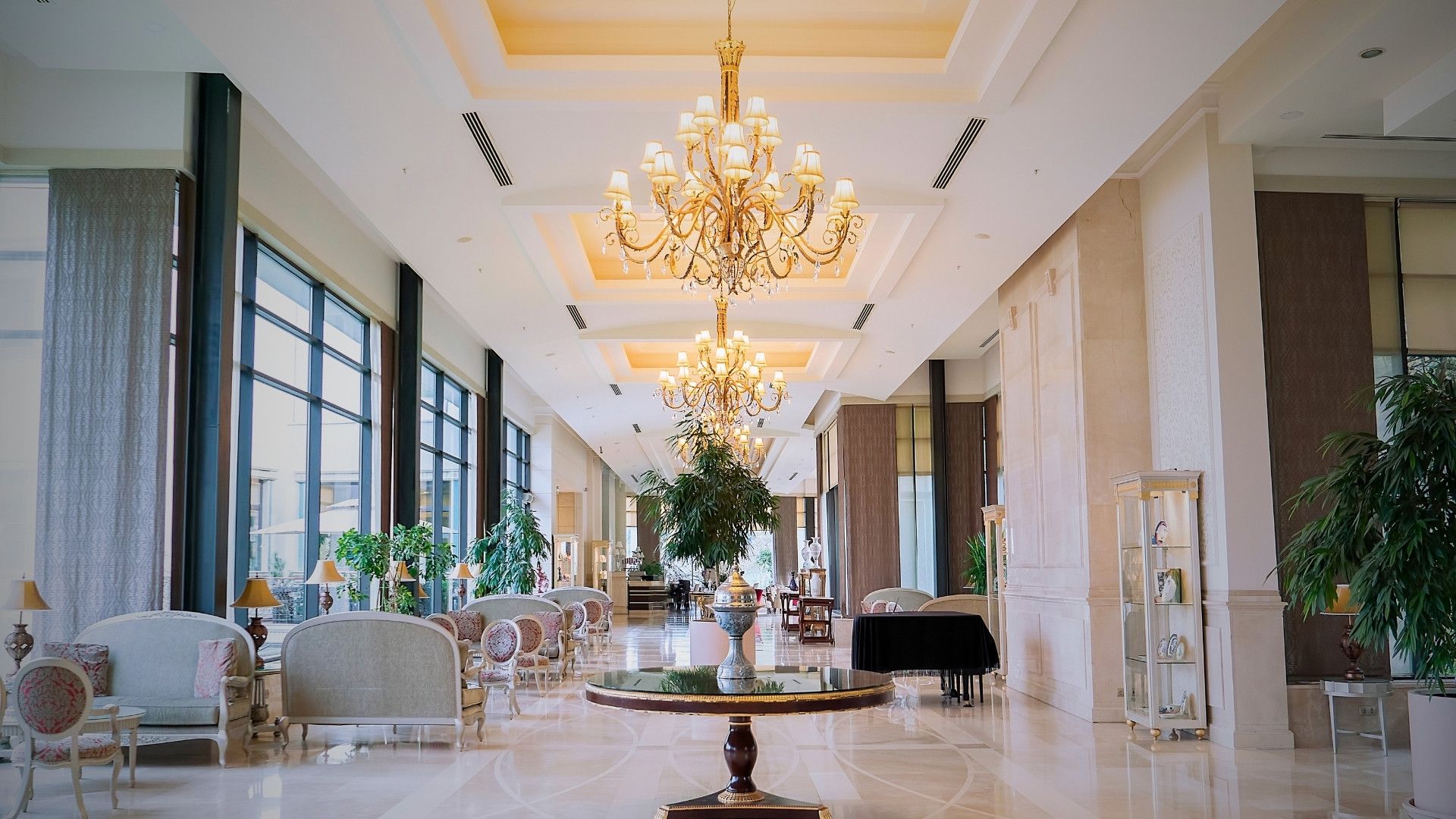
The environments where hospitality occurs shape guest experience as powerfully as service itself. Atmosphere encompasses tangible elements like design, lighting, acoustics, temperature, and cleanliness, but extends into less measurable territories of mood and feeling. A well designed restaurant creates conditions where conversation flows naturally, where food appears appetizing under appropriate lighting, where guests feel neither cramped nor isolated. A thoughtfully appointed hotel room anticipates practical needs while providing comfort that encourages genuine relaxation.
These achievements require coordination across numerous disciplines, from architecture and interior design to engineering and operations. Yet physical excellence alone does not guarantee atmospheric success. Some lavishly appointed spaces feel cold or unwelcoming, while modest establishments radiate warmth that guests remember fondly. The difference often lies in coherence, the sense that every element works toward a unified vision rather than competing for attention. Atmosphere also involves the less tangible feeling of being in a place that functions smoothly, where nothing seems broken or overlooked, where attention to detail signals respect for guests. This feeling of being cared for, of occupying space that someone has prepared thoughtfully, contributes enormously to guest satisfaction even when guests cannot articulate precisely why they feel comfortable.
Rating Systems and the Pursuit of Recognized Excellence
Several organizations evaluate hotels and restaurants against defined standards, providing guidance for consumers and benchmarks for operators. Understanding these systems helps interpret their assessments appropriately.
Forbes Travel Guide, formerly Mobil, employs anonymous inspectors evaluating properties against hundreds of specific criteria, awarding Four and Five Star ratings to establishments demonstrating exceptional service and facilities. The emphasis falls heavily on service execution, with inspectors noting whether staff members make eye contact, use guest names appropriately, and anticipate needs effectively. AAA Diamond ratings evaluate a broader range of properties, from basic accommodations through luxury establishments, considering physical attributes alongside service factors. Michelin stars, while primarily recognizing culinary achievement, implicitly evaluate the complete dining experience including service and atmosphere. These rating systems serve different purposes and employ different methodologies, making direct comparison inappropriate. A Forbes Five Star hotel excels at service refinement, while a AAA Five Diamond property demonstrates comprehensive luxury across multiple dimensions.
For guests, these ratings provide useful starting points rather than definitive judgments, indicating properties that meet established standards of excellence. For industry observers, the standards themselves reveal what evaluating organizations consider important, offering insight into prevailing definitions of hospitality achievement.

The Takeaway
Modern hospitality excellence rests on foundations that remain surprisingly consistent despite technological and cultural change. Genuine care for guest wellbeing, expressed through attentive service, thoughtful environments, and consistent execution, defines exceptional experiences regardless of price point or style. The rating systems that evaluate properties provide useful frameworks for understanding what excellence looks like in practice, breaking abstract concepts into observable behaviors and measurable attributes. Yet ratings capture only part of what makes hospitality meaningful. The most memorable experiences often involve small moments of human connection, instances where staff members responded to individual needs in ways no checklist could anticipate.
Understanding hospitality fundamentals enhances appreciation for these moments while providing vocabulary to articulate why certain experiences succeed where others fall flat. Whether evaluating a potential employer, selecting accommodations for an important trip, or simply reflecting on why a particular meal proved so satisfying, this foundational knowledge proves valuable. The hospitality industry continues evolving rapidly, with technology reshaping operations and guest expectations shifting constantly. Yet the essential challenge remains unchanged: making strangers feel genuinely welcomed and cared for. Properties and restaurants that master this challenge earn loyalty that transcends convenience, while those that neglect it struggle regardless of their physical attributes or marketing sophistication.