How Hotels Work: A Guide to the Key Teams Behind Every Great Stay
A behind the scenes exploration of the teams, positions, and coordination that transform buildings into welcoming destinations.
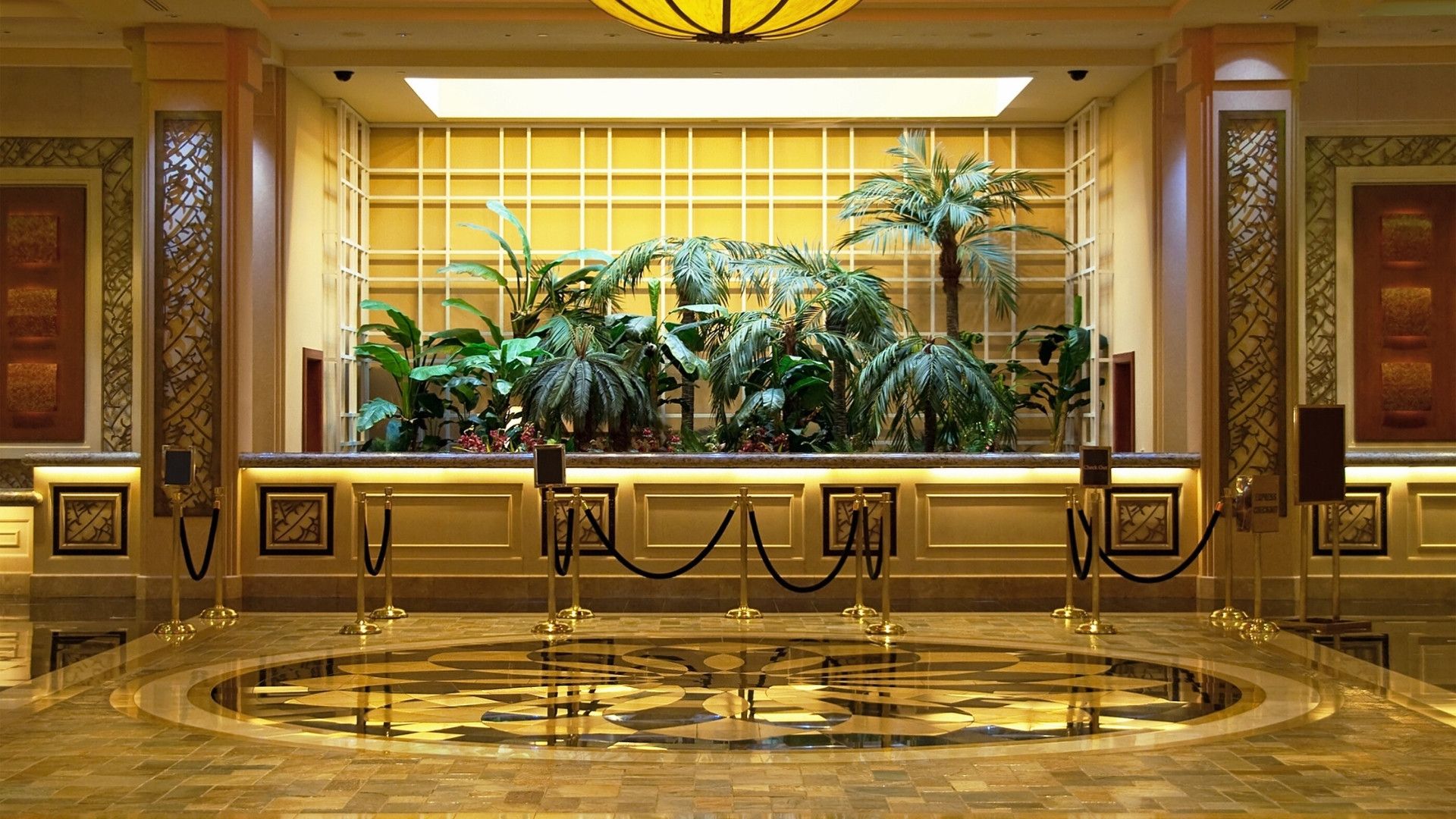
The seamless experience guests enjoy at well run hotels obscures remarkable operational complexity. Behind every smooth check in, every immaculate room, and every satisfying meal lies a network of specialized departments working in constant coordination. Understanding how hotels actually function reveals an intricate ecosystem where dozens of distinct roles must align to create the impression of effortless hospitality. This knowledge enriches appreciation for what excellent properties achieve while illuminating why service failures occur when coordination breaks down.
Hotels operate unlike most businesses, running continuously across all hours, serving guests with wildly varying needs, and managing physical plants that combine the challenges of residential buildings with those of restaurants, event venues, and retail operations. The labor force powering these operations is remarkably diverse, encompassing everyone from entry level workers to highly trained specialists, from those visible to guests to others who never leave back of house areas. Examining the key departments that constitute hotel operations provides insight into an industry that touches millions of lives daily yet remains poorly understood by most who experience it only from the guest perspective.
A hotel functions like a small city, with each department functioning in harmony. The front office, housekeeping, food and beverage, and engineering departments all working together to create a seamless guest experience.
The Front of House: Where First Impressions Form
The departments guests encounter directly shape initial perceptions and ongoing satisfaction throughout their stays. Front office operations encompass the front desk agents who manage arrivals and departures, the concierge team providing local guidance and arranging services, the bell staff handling luggage and facilitating access, and the reservations personnel coordinating bookings. These roles require constant guest interaction and demand particular personality attributes: patience, composure under pressure, genuine warmth, and problem solving ability when issues arise. The front desk in particular serves as the hotel's nerve center, managing room inventory in real time, handling complaints, processing payments, and coordinating with virtually every other department.
In larger properties, a rooms division director oversees these operations alongside housekeeping, ensuring the entire guest room experience meets standards. Food and beverage operations represent another major guest facing division, encompassing restaurants, bars, room service, banquet operations, and sometimes retail outlets. This division often operates almost as a separate business within the hotel, with its own executive chef, restaurant managers, sommeliers, and service teams. The complexity of running multiple dining venues while also executing private events and maintaining twenty four hour room service availability demands sophisticated coordination and diverse expertise. These visible departments employ the largest share of hotel workers and generate the interactions guests remember most vividly.
Behind Closed Doors: The Invisible Engine Room
Housekeeping constitutes the largest single department in most hotels, yet its members work largely unseen, their success measured by the absence of problems rather than visible achievements. Room attendants clean and prepare guest rooms to exacting standards, a physically demanding role requiring attention to detail and efficient time management across numerous rooms daily. Public area cleaners maintain lobbies, corridors, and other shared spaces, while laundry operations process enormous volumes of linens and towels continuously. The executive housekeeper coordinates these efforts, managing schedules, inspecting rooms, addressing guest requests, and maintaining inventory of supplies and equipment.
Engineering and maintenance departments keep the physical plant functioning, from heating and cooling systems to plumbing, electrical, and elevators. These technical specialists respond to guest reported issues while also performing preventive maintenance that averts problems before guests experience them. Security personnel protect guests, employees, and property, often working discretely to avoid creating an atmosphere of concern while remaining ready to respond to emergencies. These back of house operations lack the glamour of guest facing roles but absolutely determine whether a hotel delivers on its promises. A property with charming front desk staff but inconsistent housekeeping will ultimately disappoint, while excellent maintenance prevents the facility deterioration that erodes guest satisfaction over time.
Leadership and the Challenge of Coordination
Hotel general managers oversee operations requiring management skills unlike those in most industries. The diversity of functions under one roof, from sleeping rooms to restaurants to event spaces to retail, demands understanding of fundamentally different business models operating simultaneously.
A successful general manager must grasp food cost calculations, housekeeping productivity metrics, engineering maintenance schedules, and revenue management principles while also inspiring teams with vastly different skill sets and motivations. Department heads report to the general manager but must also coordinate constantly with each other, as guest experience depends on seamless handoffs between areas. When a guest requests early check in, front desk must communicate with housekeeping. When a restaurant reservation involves a special occasion, the host team must alert servers. When a meeting planner requires specific room configurations, banquets must coordinate with engineering. This interdependence requires managers who communicate proactively and prioritize collective success over departmental metrics.
Revenue management and sales teams work to maximize occupancy and rates, while human resources recruits and trains the large workforces hotels require. Finance and accounting track performance and control costs. Each function contributes to overall success, but the general manager must balance competing priorities and maintain focus on the guest experience that ultimately determines long term viability.
The Takeaway
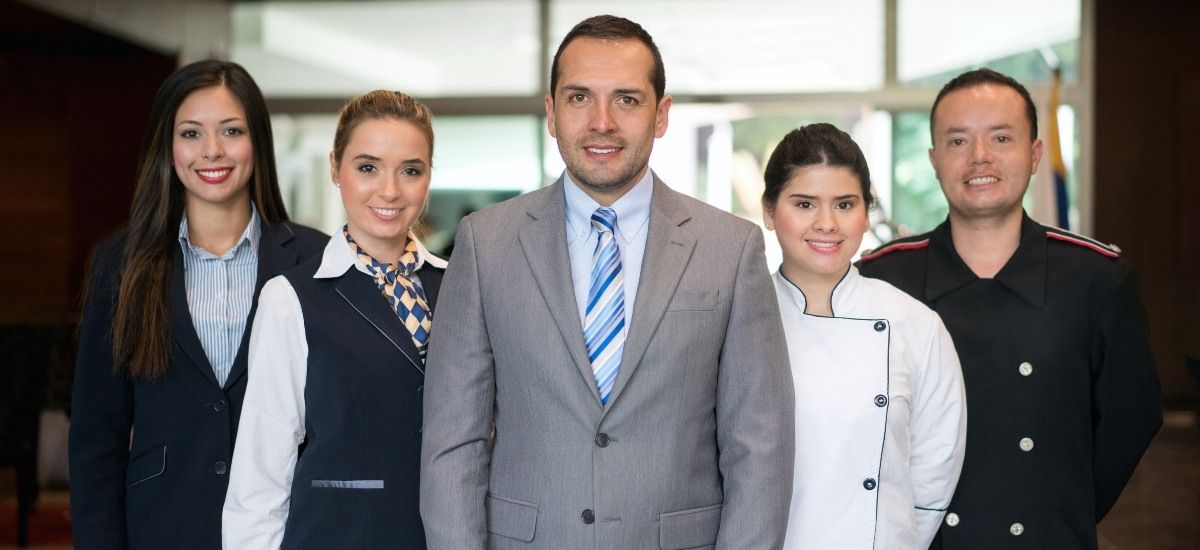
Hotels function through the coordinated efforts of remarkably diverse teams, each contributing essential elements to the guest experience. Understanding this complexity fosters appreciation for what excellent properties achieve and patience when imperfect execution occurs. The front desk agent checking you in relies on housekeeping having prepared your room, on engineering having maintained the building systems, on security having ensured safe premises, and on leadership having created systems that enable coordination. This interdependence explains both the remarkable consistency of well managed properties and the cascading failures that occur when any link weakens.
The hotel industry offers career paths of extraordinary variety, from culinary arts to technology to finance to guest services, all unified by the common purpose of welcoming travelers. For those who experience hotels only as guests, recognizing the invisible labor that creates comfort enhances gratitude for those who provide it. For those considering hospitality careers, understanding departmental functions clarifies where personal strengths might best contribute. The hotel stands as one of humanity's more complex collaborative achievements, a temporary home created anew for each guest through the coordinated efforts of many hands working toward a shared purpose. This orchestration, when executed well, produces experiences that feel effortless precisely because so much effort has been invested in making them so.