Summer Destinations for Those Actually in the Know
The Amalfi Coast, Saint-Tropez, and Mykonos get all the attention. The places worth your time this summer are the ones those crowds have never heard of.
Every year, the same destinations appear on the same lists. The Amalfi Coast. Saint-Tropez. Mykonos. They are presented as aspirational, exclusive, the pinnacle of summer travel. And every year, millions of visitors arrive to discover that exclusivity and overcrowding are not compatible experiences. Positano's narrow streets become a slow-moving procession of selfie sticks. Saint-Tropez's waterfront is a runway for rented supercars and conspicuous consumption. Mykonos charges $35 for a cocktail and calls it atmosphere. These are not bad places. They are beautiful and historically significant. But they have become destinations where the primary product is not the place itself but the performance of being seen there.
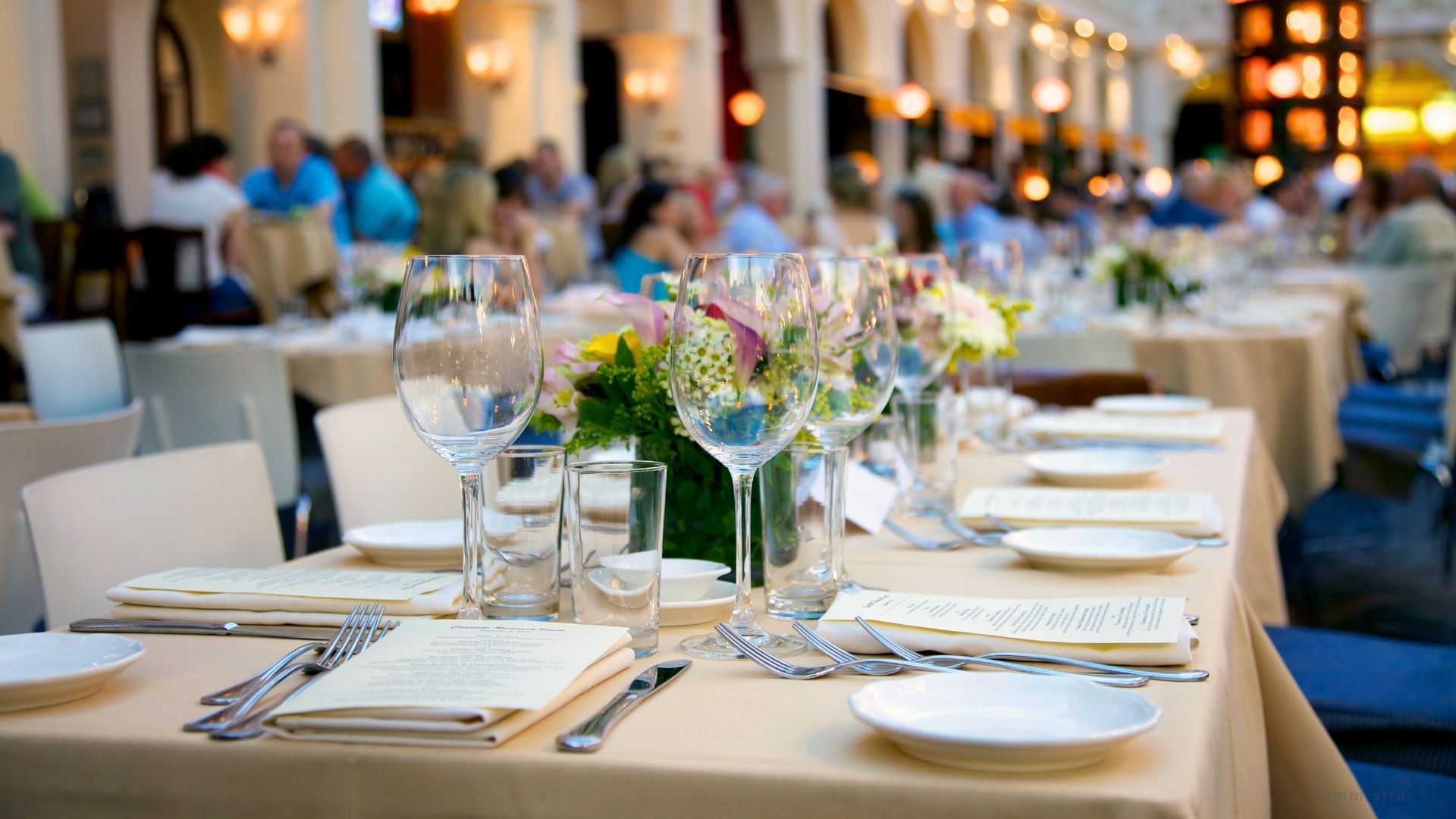
The travelers who have figured this out are going somewhere else. They are choosing locations where the food is cooked by the family that grew the ingredients, where the wine comes from vineyards you can walk to before lunch, and where the most exclusive thing about the experience is that hardly anyone else is there. Authenticity is the luxury that no amount of velvet rope can manufacture. This summer, three destinations offer exactly that for anyone willing to look just slightly beyond the obvious.
The Mediterranean summer has become a paradox. The most famous destinations, once symbols of effortless luxury, are now defined by crowds, inflated pricing, and logistical friction. Places like Amalfi Coast, Saint-Tropez, and Mykonos still carry prestige, but the experience has shifted.
The Cilento Coast: Italy Without the Performance
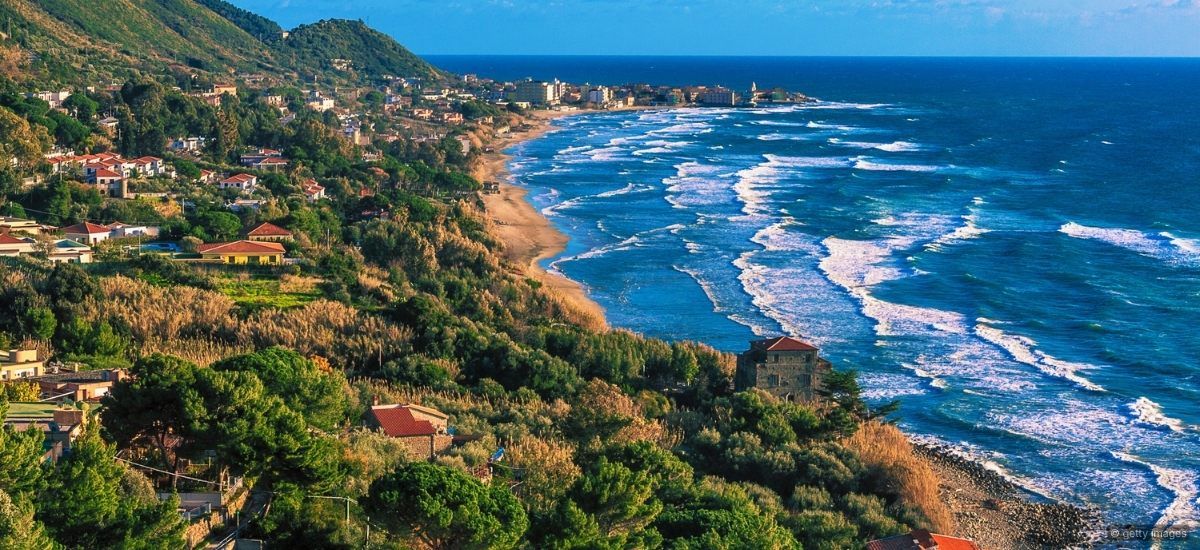
South of the Amalfi Coast, past Salerno and the tourist infrastructure that ends once the famous peninsula runs out, lies the Cilento Coast. This stretch of Campania runs from the ancient temples of Paestum to the sea caves of Marina di Camerota, encompassing a UNESCO-protected national park, more Blue Flag beaches than anywhere else in the region, and a culinary tradition so embedded in daily life that the area is recognized as the birthplace of the Mediterranean diet. The Cilento offers the same Tyrrhenian coastline, the same dramatic cliffs and turquoise water as its famous neighbor. What it does not offer is the crowd.
Fishing villages like Acciaroli, where Hemingway reportedly spent time, remain largely unchanged by international tourism. Accommodation runs a fraction of Amalfi prices. The mozzarella di bufala is pulled fresh from farms you can visit on a morning walk, and the wines are made by families tending the same hillside vines for generations. The infrastructure is less polished, the roads narrower, and you will need a car. But that is the point. The Cilento rewards the traveler willing to trade convenience for connection, who would rather eat grilled fish at a portside table where the owner's grandmother is shelling beans in the kitchen than pay a premium for a restaurant designed primarily to photograph well.
Sifnos: The Cycladic Island That Feeds Your Soul
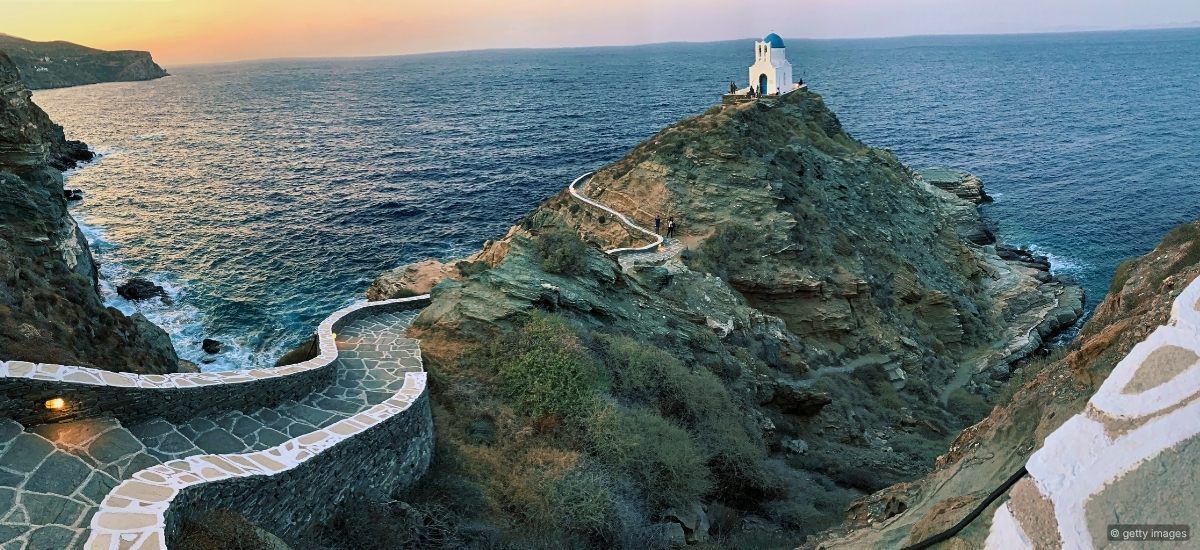
Mykonos sells nightlife, celebrity sightings, and a brand of hedonism exported as the Greek island experience. But Greece has more than 200 inhabited islands, and many of the best have never appeared on a bottle of branded vodka. Sifnos, a small, terraced triangle in the Western Cyclades, is the most compelling alternative for anyone whose ideal vacation involves eating extraordinarily well, hiking between whitewashed villages, and ending the day at a taverna where the owner pours you wine because he noticed you admiring the sunset.
Sifnos is the birthplace of Nikolaos Tselementes, the chef who wrote the definitive Greek cookbook in the 1930s, and the island has never forgotten it. Food is not a secondary attraction here. It is the organizing principle of daily life. The signature dish, revithada, is a chickpea stew slow-baked overnight in handmade clay pots, a preparation connecting the island's ancient pottery tradition directly to its kitchen table. Local cheese aged in wine lees, thyme honey from hillside hives, lamb braised with dill in earthenware. The island hosts an annual festival of Cycladic gastronomy and takes its culinary identity as seriously as any wine region takes its terroir. Sifnos is not undiscovered, but it is unbothered. It knows what it is, and it has no interest in becoming something louder.
Cassis: The French Riviera Without the Ferrari
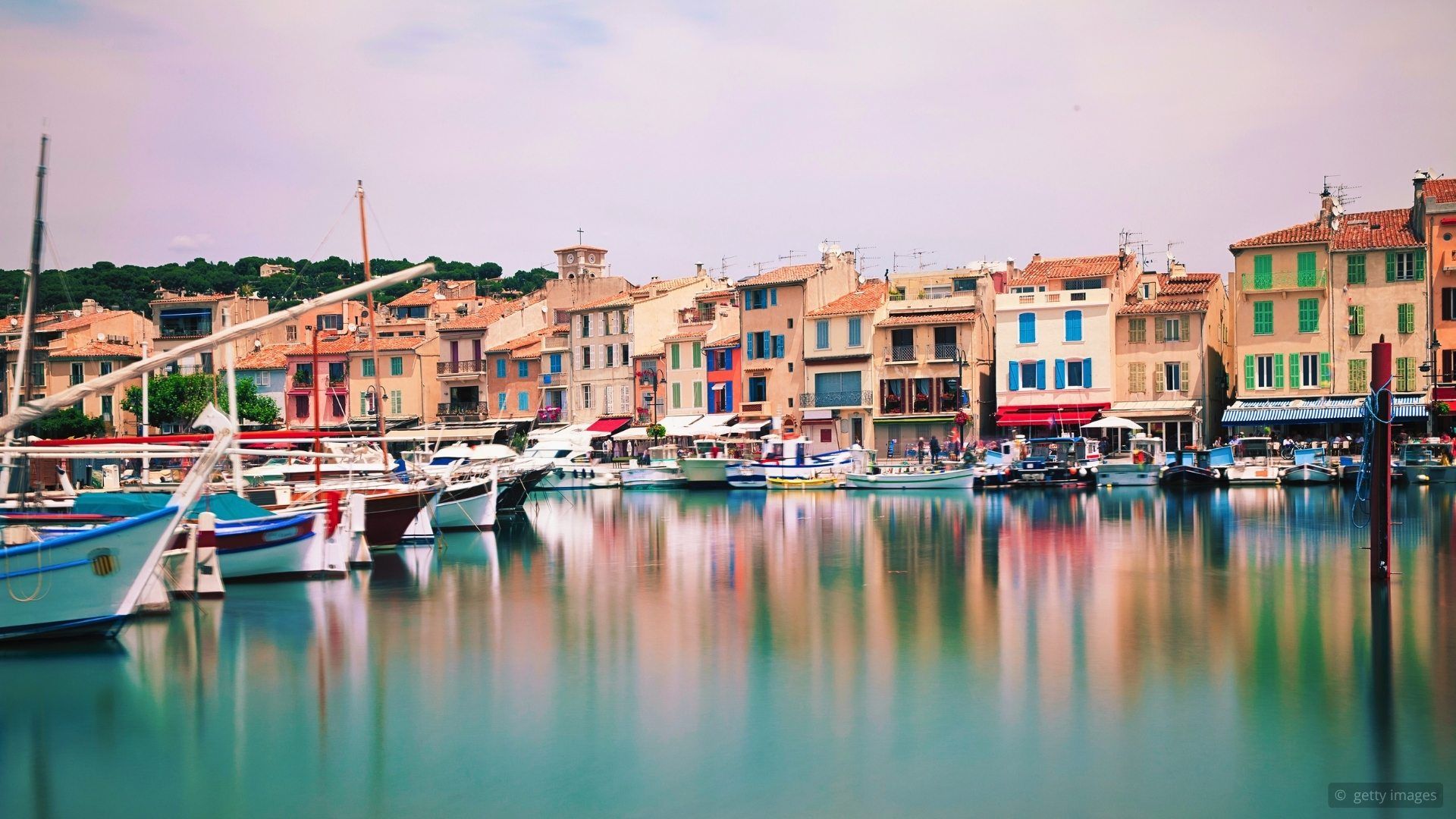
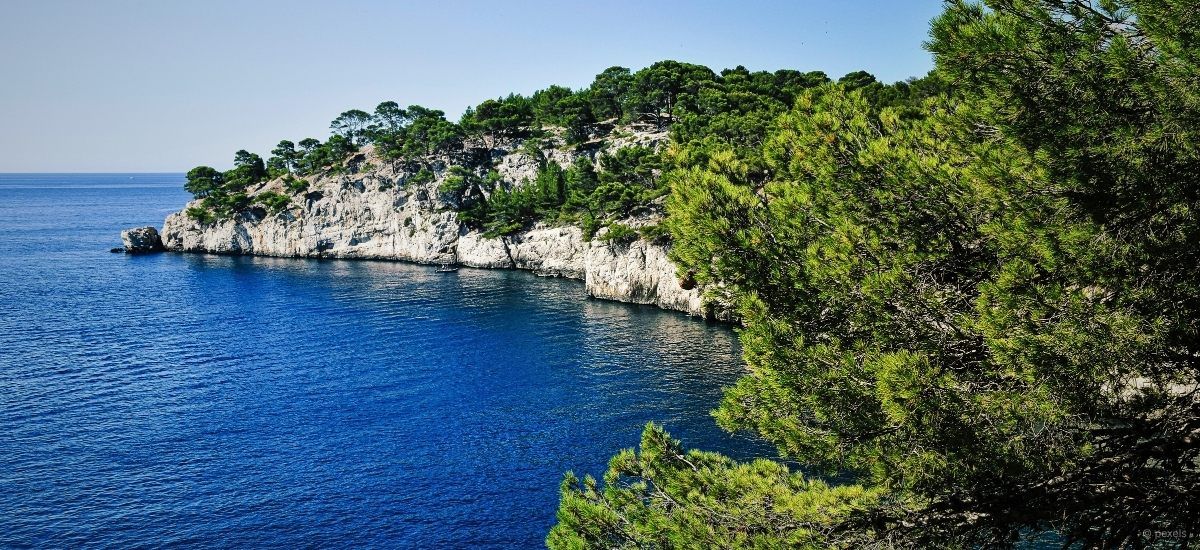
The mention of the French Riviera typically conjures Saint-Tropez, a destination whose modern identity has more to do with celebrity culture than the fishing village it once was. Fifteen miles east of Marseille sits Cassis, a port town tucked beneath the tallest sea cliffs in France, where the Calanques National Park meets the Mediterranean in a series of limestone inlets so striking they look engineered. Winston Churchill painted here. The Bloomsbury set summered here in the 1920s. And unlike Saint-Tropez, Cassis never traded its character for a bottle service menu.
The town's vineyards produce distinctive white wines under one of France's oldest appellations, built on Marsanne, Clairette, and Ugni Blanc that taste of garrigue, citrus, and limestone. You can walk to the wineries from the port. You can eat bouillabaisse made with the morning catch at a restaurant where the chef has no social media presence and no interest in acquiring one. The Calanques, accessible by boat or on foot through pine-scented trails, offer swimming in water so clear it borders on surreal. Cassis is the Riviera for people who came for the coastline, the wine, and the food rather than the scene. It costs less, delivers more, and lets you finish your evening without once wondering whether you are at the right table.
The Takeaway
The destinations that dominate summer travel lists endure because they are genuinely beautiful and because the marketing infrastructure around them is enormous. No one is arguing that the Amalfi Coast, Saint-Tropez, or Mykonos lack merit. But iconic and enjoyable are not always the same thing, particularly when the experience has been optimized to extract maximum revenue at the expense of what made the place worth visiting.
The Cilento Coast, Sifnos, and Cassis represent a different philosophy, one in which the goal is not to be seen at a destination but to actually experience it. The food is better because it is local and unpretentious. The wine is better because it comes from the hillside above your table. The beaches are better because there is room to breathe. And the cost is lower not because the quality is lesser but because these places have not yet been consumed by the machinery of aspirational tourism. The real luxury in travel has never been a $35 martini on a crowded veranda. It is the privilege of being somewhere genuine, eating something honest, and having the quiet confidence to know that the best seat in the house is the one nobody is fighting over.
Frequently Asked Questions
Why are destinations like Amalfi and Mykonos becoming less appealing?
Overtourism, rising prices, and infrastructure strain have diminished the experience for many travelers.
Is the Cilento Coast similar to Amalfi?
Yes in landscape, but it offers a more relaxed, less commercialized experience.
Why is Sifnos gaining attention?
Its food culture, preserved character, and balance of accessibility and authenticity make it increasingly attractive.
What makes Cassis different from Saint-Tropez?
Cassis is quieter, more locally driven, and focused on natural beauty and wine rather than nightlife and luxury branding.
Are these destinations truly less expensive?
Generally yes, especially when factoring in accommodations, dining, and overall experience value.
Are destinations the wealthy frequent always the best?
Absolutely not. These locations offer the most opportunities to be seen amongst the rich and powerful, but are rarely the best experiences for vacations.