The Curious Case of the Celebrity Chef
They became rockstars without guitars, cultural icons built on fire and flour. Now the kitchen is asking whether it ever needed the spotlight at all.
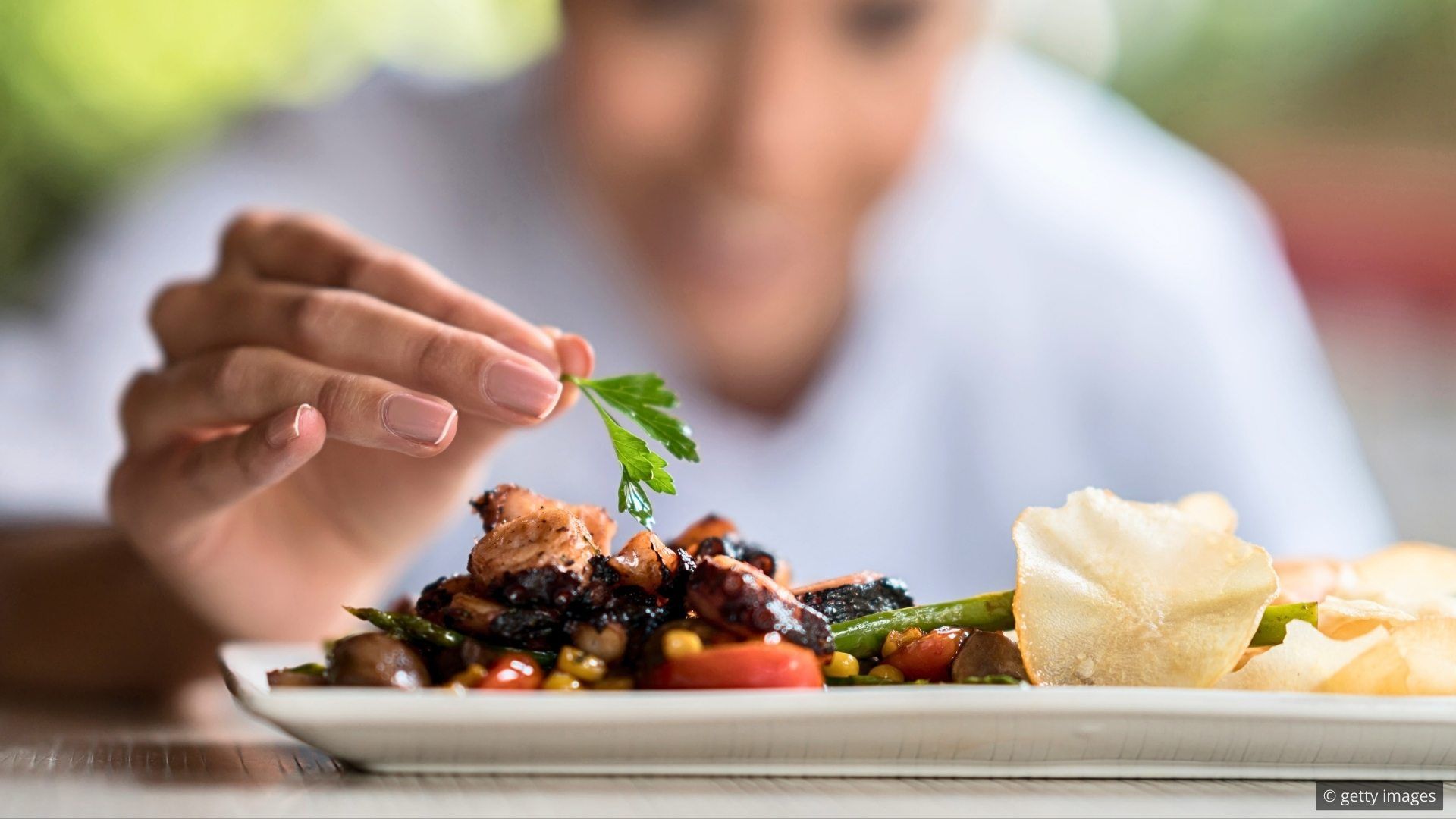
There was a time when knowing a chef's name meant something extraordinary. It meant someone had clawed their way out of a sweltering kitchen and into the national consciousness, a journey so improbable that it carried a kind of mythology. Julia Child did it through warmth and French technique on public television. Emeril Lagasse did it with a catchphrase and a live studio audience. Anthony Bourdain did it by telling the truth about the bruising, beautiful reality of professional cooking in prose that read like a novel. The celebrity chef emerged from the collision of food television, memoir, and a public appetite for authenticity that the polished entertainment industry struggled to provide.
But something has shifted. The era of the chef as unquestioned cultural hero feels increasingly distant, replaced by a more complicated picture in which fame and kitchen culture are being reexamined with clearer eyes. The questions now surrounding the profession are not about who makes the best risotto on camera. They are about power, labor, mental health, and whether an industry built on passion can sustain the people who give themselves to it. The celebrity chef is not dead, exactly. But the celebrity chef is certainly standing trial.
A great chef is not just a cook, but a leader who turns discipline and creativity into unforgettable experiences.
Who Gets to Be Famous for Cooking?
The concept of the celebrity chef is more recent than most people realize. For centuries, professional cooks occupied a servant class, invisible laborers whose artistry existed for the pleasure of others and whose names rarely survived their employment. The modern reversal began with television, accelerated through the Food Network era of the 1990s, and reached its apex in the decade that followed. Suddenly, chefs were not just cooking. They were branding. Gordon Ramsay built an empire worth hundreds of millions. Guy Fieri became one of the most recognizable faces on American television. A profession understood as grueling manual labor was repackaged as aspirational entertainment.
Yet this fame was always selective, and the criteria had little to do with culinary ability alone. The chefs who became famous tended to be telegenic, loud, or narratively compelling. Thousands of equally talented cooks continued working double shifts on the line for modest wages while a fortunate few signed book deals and endorsed cookware. The gap between the celebrity chef and the working chef became not just wide but philosophically troubling, raising a question the industry has never answered: does elevating a handful of individuals to stardom help or harm the profession as a whole?
The Noma Reckoning
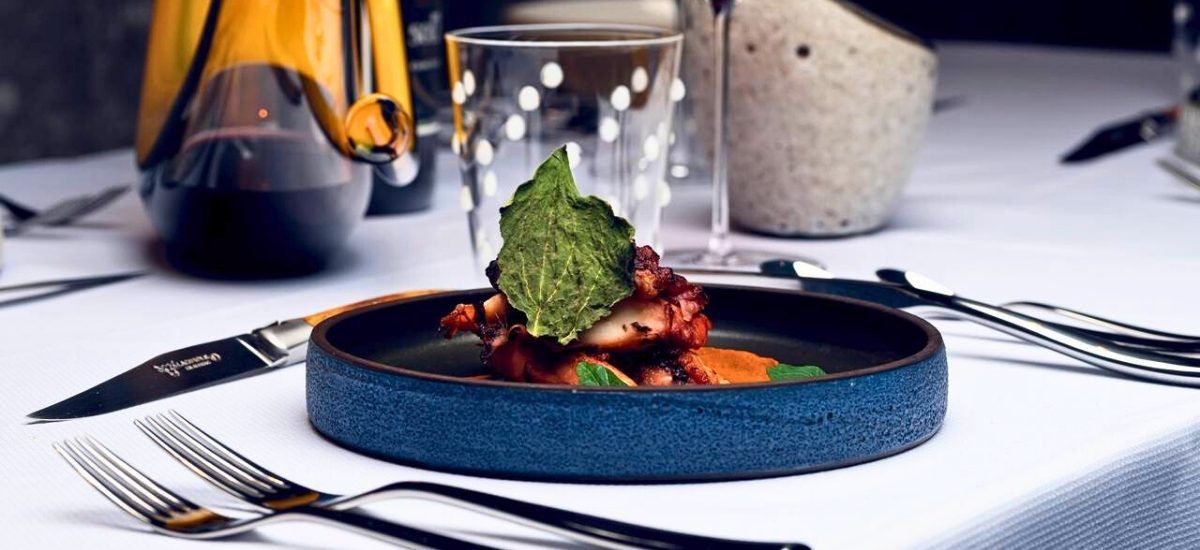
No single story captures the tension at the heart of celebrity chef culture more starkly than the recent revelations surrounding Rene Redzepi and Noma. The Copenhagen restaurant was named the best in the world five times. Redzepi was celebrated as a visionary who redefined Nordic cuisine through foraging, fermentation, and creativity. When he announced in 2023 that Noma would close its traditional dining room, citing the unsustainability of the fine dining model, the announcement was treated as a philosophical statement about the future of restaurants. Then, in March 2026, an investigation based on interviews with 35 former employees described years of physical and psychological abuse, including punching, intimidation, and the use of kitchen implements as weapons against staff.
Redzepi's public apology acknowledged that his past behavior was harmful. But the story resonates far beyond one restaurant. It illuminates a pattern that has repeated across the upper echelons of professional cooking for decades: brilliance used as justification for cruelty, artistic vision deployed as a shield against accountability. The brigade system, borrowed from military hierarchy, was never designed with worker well-being in mind. When celebrity status is layered on top of that rigid power structure, the potential for abuse intensifies. The Noma story is not an aberration. It is a clarifying example of what happens when an industry mistakes suffering for seriousness.
The kitchen is one of the last places where mastery is earned through repetition, pressure, and passion.
Blue Collar Hands, White Collar Expectations
Television and social media have created a peculiar distortion in how the public perceives professional cooking. Shows like The Bear have done important work depicting both the creative passion and the psychological toll of restaurant life, but even the most honest portrayals struggle to communicate the relentless physical reality. Professional cooks routinely work 12 to 16 hour shifts in environments that are dangerously hot, physically demanding, and emotionally intense. Wages remain stubbornly low relative to the skill and stamina required. This is, by any honest measure, a blue collar profession dressed in white collar aspirations by a media ecosystem that profits from kitchen culture far more than kitchen culture profits from the spectacle.

The psychological dimensions of this disconnect deserve attention. Young cooks enter the profession inspired by what they have seen on screen, only to encounter an industry with high rates of burnout, substance abuse, and mental health challenges. The pandemic accelerated an exodus of experienced talent, and many who left have not returned. The romanticism of the struggling artist narrative, so central to the mythology of the celebrity chef, obscures a more urgent truth: passion is not a substitute for fair compensation, reasonable hours, and a workplace that does not treat exhaustion as a badge of honor. The industry needs its workers far more than it needs its celebrities.
Cooking is craft, but running a kitchen is strategy.
The Takeaway
The celebrity chef was never really about cooking. It was about storytelling, about a culture hungry for characters who seemed more authentic than the average public figure, and about an industry that discovered it could monetize personality alongside plates of food. Some of that storytelling was genuinely valuable. Bourdain taught millions to be curious about the world through its kitchens. Jamie Oliver leveraged his fame to reform school lunch programs. The best used their platforms to educate, to advocate, and to remind people that food is one of the most powerful connectors of human experience.
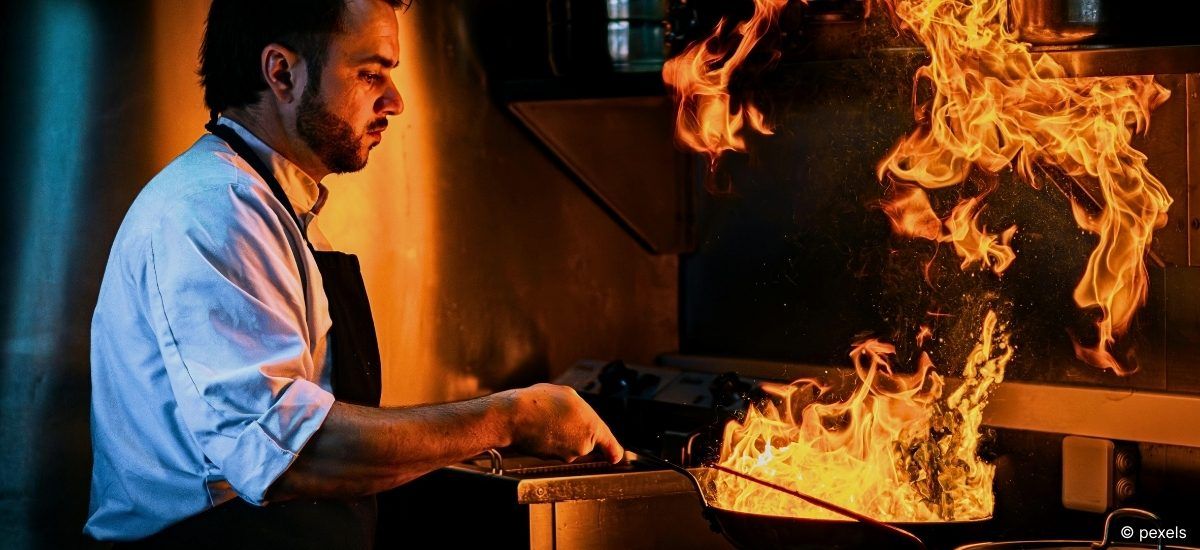
What the Noma revelations and the broader reckoning suggest is not that chefs should stop being celebrated, but that celebration should come with accountability. The profession deserves recognition for what it truly is: physically demanding, creatively rigorous, emotionally complex work performed by people who deserve dignity regardless of whether anyone knows their name. The future of the restaurant industry will not be built by the next chef who becomes famous. It will be built by the countless cooks, servers, and dishwashers who show up every day because they believe that feeding people well is work worth doing. Whether the culture chooses to see them is another question entirely.
Frequently Asked Questions
What does a chef actually do in a restaurant?
A chef oversees the kitchen operation, including menu design, ingredient sourcing, staff training, food quality control, and ensuring dishes are executed consistently during service.
Do chefs need formal culinary school training?
Many chefs attend culinary school, but it is not required. A large number of successful chefs learn through apprenticeships and years of experience working their way up through professional kitchens.
Why is the chef profession considered demanding?
The job typically involves long hours, physically demanding work, high pressure during service, and constant attention to detail while managing both food production and a kitchen team.